Mouth breathing
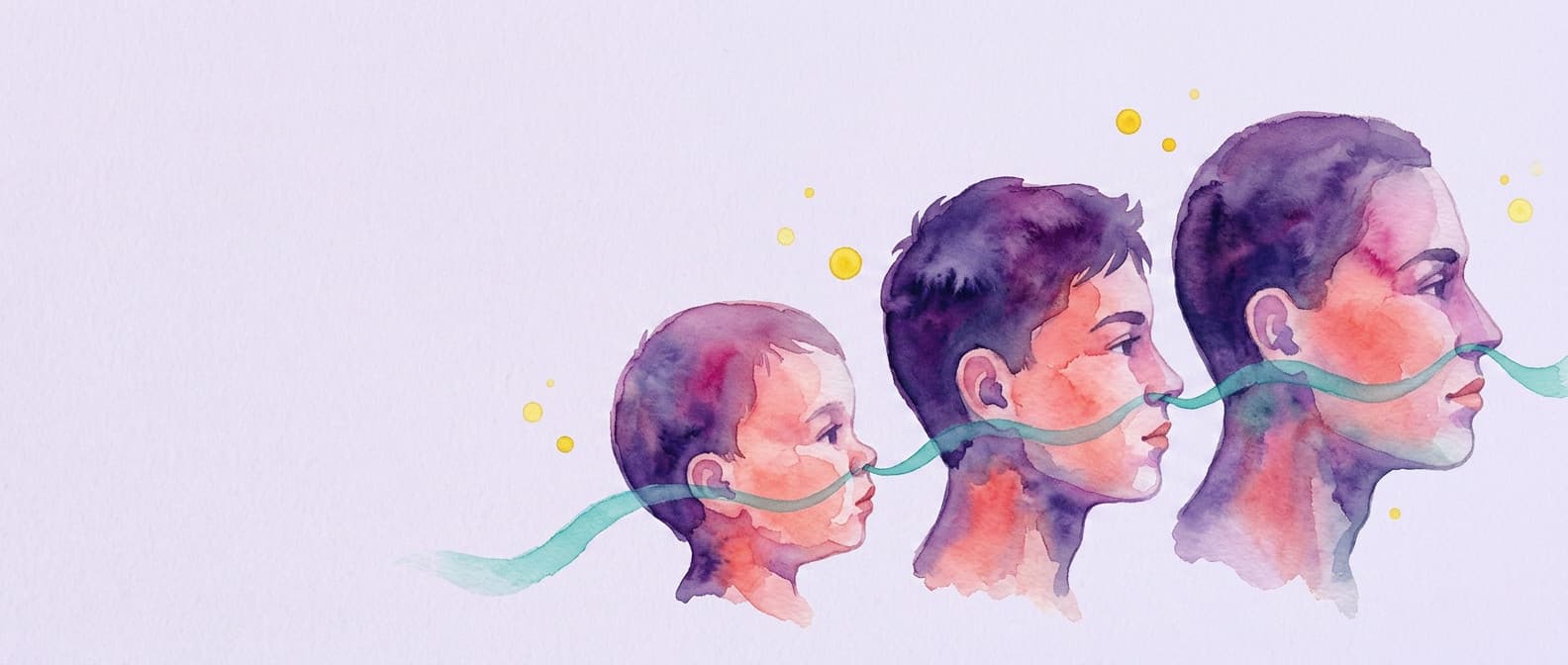
Lips apart at rest, dry mouth in the morning, frequent colds: habitual mouth breathing can accompany changes in facial growth and sleep quality.
For patients & parents
Crooked teeth, mouth breathing, snoring, teeth grinding: often these are not isolated problems but visible traces of invisible habits. Dentosophy explores these connections.
Patterns worth noticing
None of these signs is a diagnosis, but each is worth a conversation with a qualified practitioner.
Lips apart at rest, dry mouth in the morning, frequent colds: habitual mouth breathing can accompany changes in facial growth and sleep quality.
Noisy nights, teeth grinding or daytime tiredness can be connected with how the airway and tongue behave during sleep.
Tooth positions reflect the forces around them: tongue posture, swallowing patterns and chewing habits leave traces over years.
Tongue thrust, prolonged thumb sucking or pacifier use shape the palate during the most formative years of growth.
Tension around the temporomandibular joints, clicking or limited opening can be linked to chewing patterns and muscle balance.
Articulation difficulties or an immature swallowing pattern often involve the same muscles dentosophy looks at.
Recurring tension headaches, a tired jaw in the morning or a stiff neck often involve the same muscles as chewing and clenching.

How it works
Practitioners informed by dentosophy look at how you breathe, swallow and chew, not only at how your teeth stand. The work is active: awareness, daily exercises and, where appropriate, a soft flexible mouthpiece called a balancer that accompanies the muscles as they find a new equilibrium.
It is patient work in both senses of the word: change unfolds over months, carried by everyday repetition rather than mechanical force. Many patients say it is only during this work that they notice how they actually breathe, swallow and chew.
Dentosophy is an educational perspective. Diagnosis and treatment always belong in the hands of qualified healthcare professionals. This page does not replace medical or dental advice.


One picture that explains it all
Picture a house that stands crooked: naturally, its front door hangs crooked in the frame too. Planing down the door treats a symptom. In this picture, the mouth is the front door, and the house is the skull.
Crooked teeth, mouth breathing or jaw problems therefore often mirror the whole system. Dentosophy works on the house, not the door: through gentle muscle training it aims at the balance of the entire skull.
Your path as a patient
Mouth breathing, snoring, crooked teeth: the signs above are worth taking seriously, especially in children.
Learn how breathing, swallowing and chewing shape the mouth, and what functional re-education means.
Our international directory lists dentosophy-informed dentists and therapists near you, in your language.
The newsletter brings patient-friendly essays and news from the practice, no spam, unsubscribe anytime.
Find your practitioner
Our international directory lists dentists and therapists who have engaged with dentosophy and functional concepts. Find someone near you: in your language.
Patient questions
Functional patterns – breathing, tongue rest position, swallowing – form in the first years of life and keep acting for as long as the jaw grows. That is why many practitioners look at them while the milk teeth are still in place. This way of thinking has no “too late”: functions can be practised at any age. What changes with growth is how much functional work can accompany on its own, and when it is flanked by orthodontics. Whether, when and how anything makes sense for your child is assessed by a trained practice after individual diagnostics.