
Skip to content

The umbrella over everything

Biofunctional dentistry

Three disciplines, one goal: a mouth that works in balance with the whole body. More than dentosophy alone — a system.

The definition

What is biofunctional dentistry?

Biofunctional dentistry sees teeth, jaws and skull as one connected system. And it starts with an honest statement: dentosophy alone is not the answer to everything. Mouth breathing has many causes, and training function alone misses half of them. That is why the materials in the mouth, the state of the bone, the tongue tie and support from within belong here just as much as function itself.

Function: dentosophy, myofunction, posturology

Nasal breathing, tongue rest posture, swallowing pattern and balanced chewing — and what changes in posture once balance appears in the skull.

Materials in the mouth

Different metals and alloys in the same mouth are not a detail. What is in there deserves to be looked at and, where necessary, treated.

The bone

Is there inflammation? How was the bone built up? Without that look, functional work rests on uncertain ground.

The tongue tie

Restrictions need precise diagnostics — and functional follow-up, so that a release does not relapse.

Strength from within

Nutrition, micronutrients and genuinely effective oral hygiene carry the system. That has to be explained properly, not mentioned in passing.

Orthodontics, and its limits

Knowing when functional work carries a case, when orthodontic mechanics belong to it, and where the limits are, is the core — not the exception.

Reviewed byDr. med. dent. Rebekka HueberSpecialist in oral surgery · M.Sc. orthodontics · myofunctional therapy

How the method works

Six levers, one system

Gentle stimuli instead of force: the balancer – a soft, removable appliance – and short daily exercises train the functions that shape teeth and jaws.

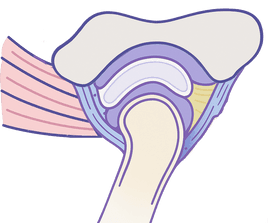
Activate the jaw joint

Functional chewing stimulates and balances the TMJ – tension and one-sided loading can release.

Establish nasal breathing

The lips close and breathing returns through the nose – the foundation for restful sleep and healthy development.

Train tongue posture

The tongue rests against the palate and supports the upper jaw from within – right where it belongs. That shapes dental arches and swallowing patterns.

Balance chewing patterns

Two-sided, coordinated chewing distributes forces evenly – the chewing muscles work as a team again.

Consider posture

Jaw, neck and posture are connected: when the bite finds its balance, the whole body often straightens up with it.

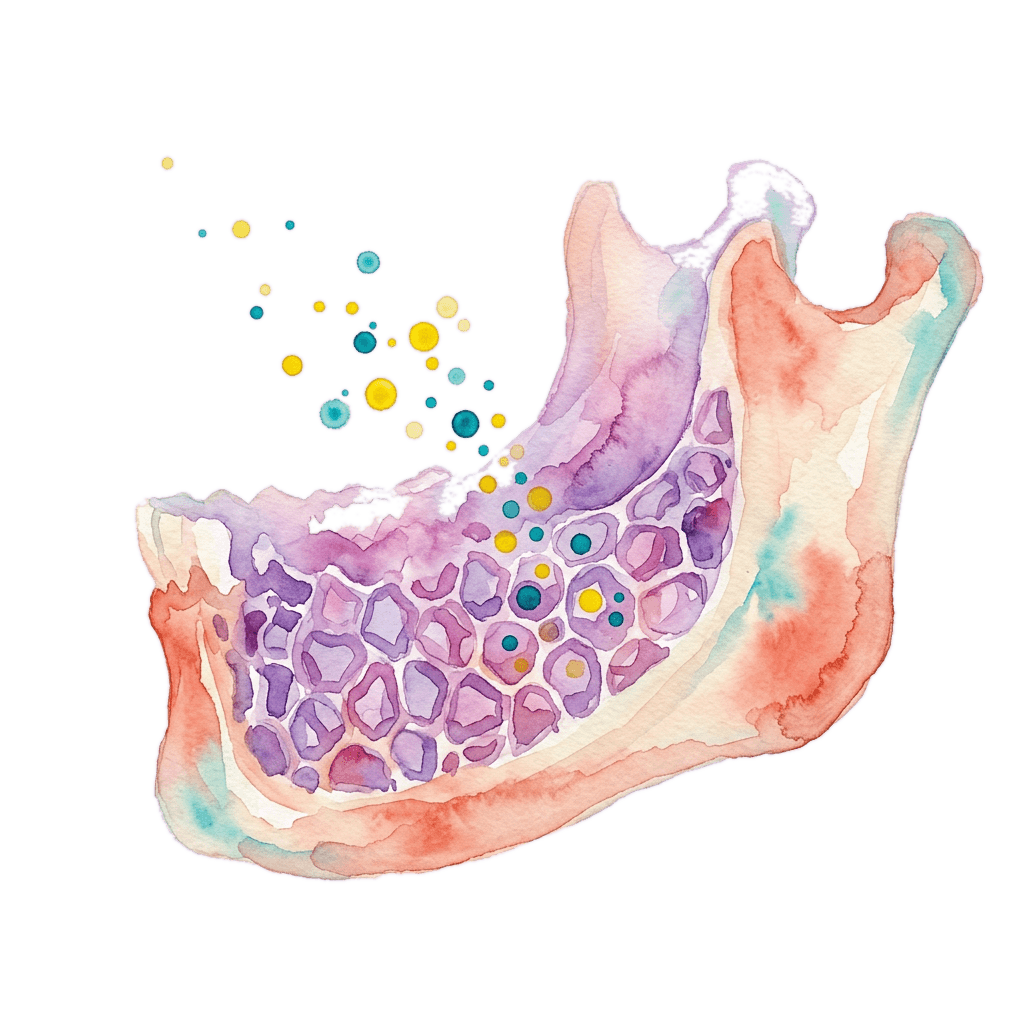
Stimulate bone metabolism

Functional loading is a stimulus for the jaw bone — one reason to think function before implant.

From young to old

Who it is for

From young to old

While growing

In children the method works with growth: training the functions early means offering growth a direction before patterns settle in — gently, without fixed appliances.

In adulthood

In adults it works on relief: jaw joint, grinding, mouth breathing, restless sleep – the system can find a new balance at any age.

Whether the method fits an individual case is decided by a trained practice after individual diagnostics. Results vary.

The difference

Treating the symptom or understanding the system

Both paths have their place – they simply ask different questions.

The symptom-oriented view

  • The crooked tooth is aligned mechanically, often with fixed appliances
  • The functions behind it – breathing, tongue posture, swallowing – often remain untouched
  • Relapse is well documented – if the function stays unchanged, a misalignment can return

The biofunctional view

  • Function first: breathing, tongue and swallowing are examined too
  • The muscles are trained — the forces that hold the form redistribute
  • The goal is stability that comes from balance – not against it

Important: the approaches are not mutually exclusive. Biofunctional dentistry extends classical dentistry by the functional level – here carried by oral surgery, orthodontics (M.Sc.) and myofunctional therapy.

The three pillars

What carries the roof

Pillar 01

Dentosophy

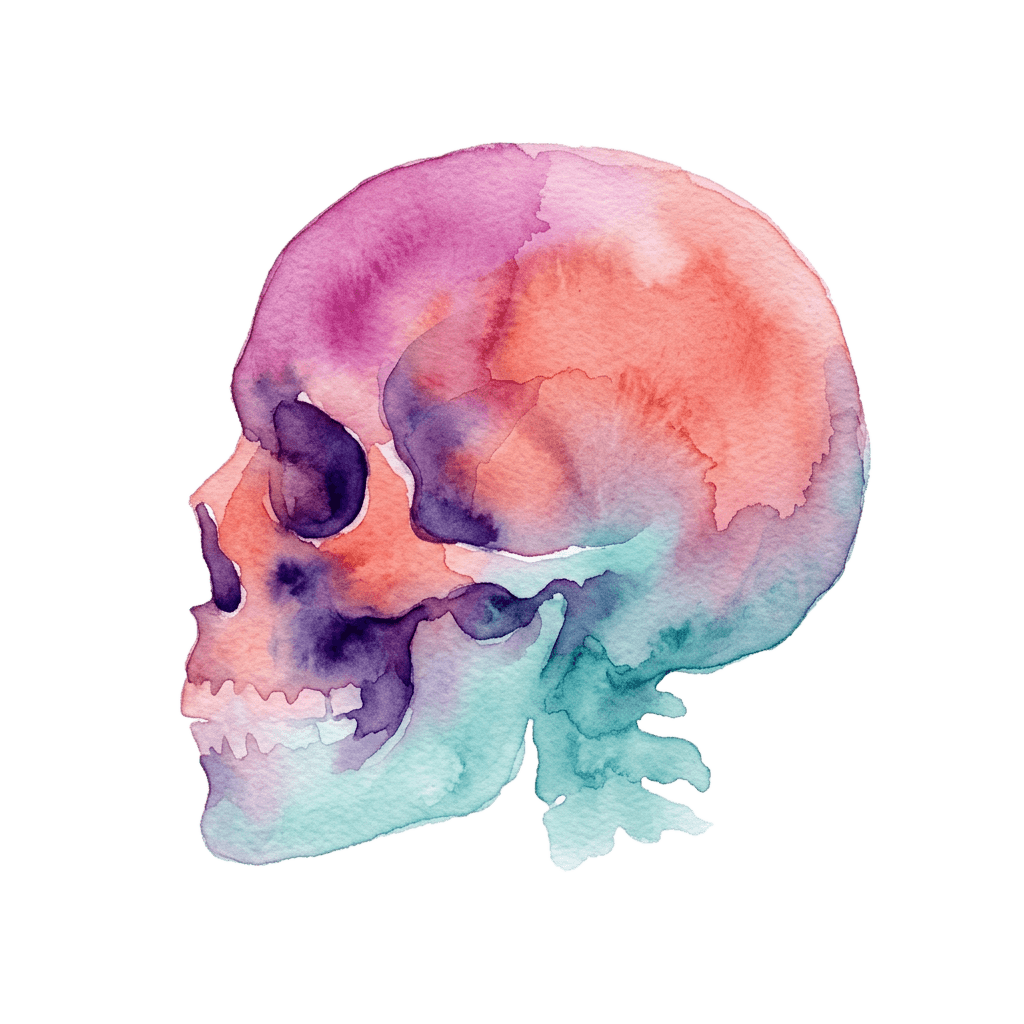
The gym for the musculature: balancing forces train the oral muscles, with a concept that engages at the skull base and aims at the balance of the entire cranium. A misalignment in the mouth almost always mirrors the whole system: which is why dentosophy works on the house, not just the front door.

The method in detail
Pillar 02

Biological dentistry

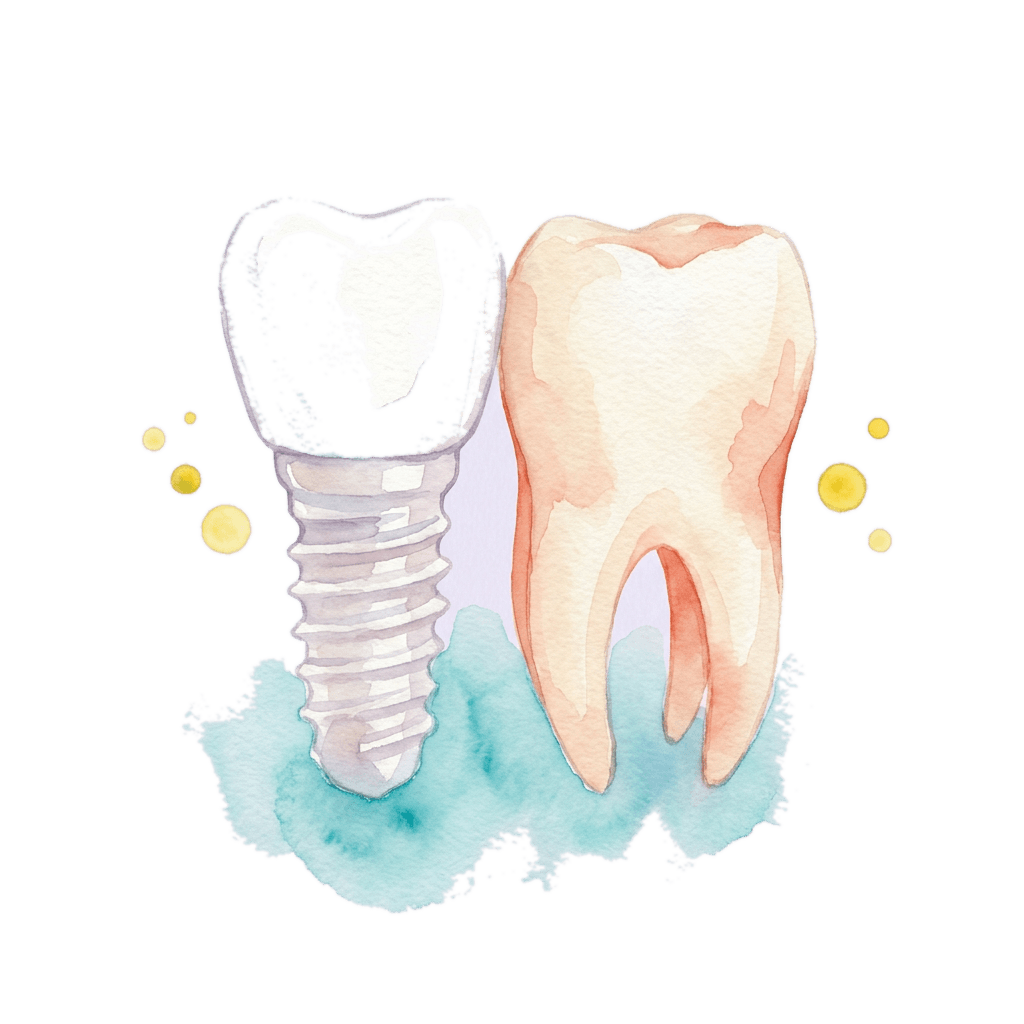
Metal-free and low-inflammation: biocompatible materials such as ceramic implants and a cleaned-up oral environment — fewer chronic inflammatory sites, fewer different materials. The mouth is part of the organism: whatever rests or smolders there acts far beyond it.

Dr. Hueber's approach

Pillar 03

Micronutrients

Building from within: regeneration, bone and mucosa need building blocks. Targeted micronutrient concepts accompany the dental work as the third pillar, looking at supply rather than only at gaps.

For patients

The principle behind it

Why the skull is the cause

A crooked front door is rarely the door's fault: usually the house stands crooked. The method page names the two bones at the skull base that decide how the jaws relate to each other — and why purely mechanical tooth movement does not engage there.

Common questions

Biofunctional dentistry, explained

A dental approach that understands tooth and jaw misalignments as the result of disturbed functions such as breathing, tongue posture, swallowing and chewing – and treats those functions alongside, instead of only correcting tooth position.

Where would you like to start?